
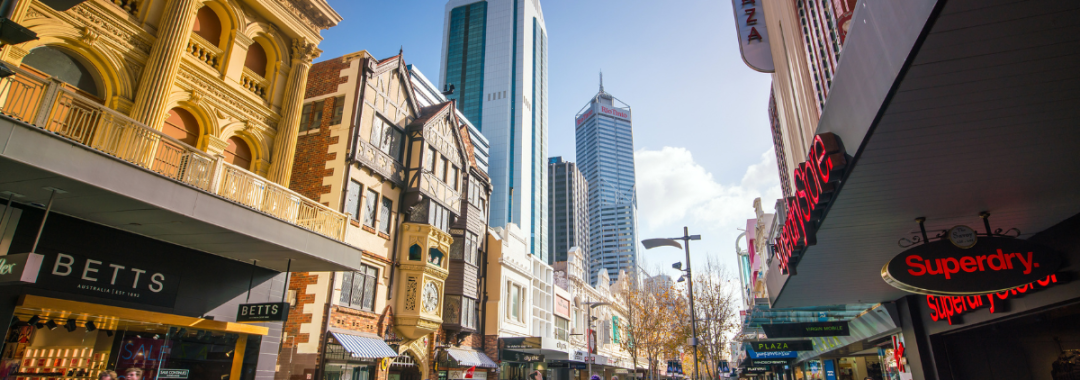
One of the most common assumptions we see from retailers, commercial operators and project managers is this:
“The fit-out is approved — surely the signage is just exempt?”
Unfortunately, signage is one of the most misunderstood and delay‑prone elements of commercial projects across Australia.
In many cases, the building works are approved, contractors are booked, and the opening date is locked in - only for the project to stall when it is identified that the signage requires separate town planning approval.
This article breaks down when signage does and doesn’t trigger planning approval, the differences between states, and the mistakes that commonly catch people out.

Planning Approval vs Building Approval: The First Thing to Understand
Before looking at exemptions, it’s important to separate two approvals that are often confused:
Planning approval (DA / Planning Permit etc.)
Assesses whether signage is appropriate in a location — size, design, visual impact, character, amenity and policy compliance.
Building approval (CDC / CC / Building Permit etc.)
Assesses how the signage is constructed – structural integrity, fixings, materials, fire safety and BCA compliance.
A sign can be structurally compliant and still require planning approval. These are two separate processes assessed by different parties.
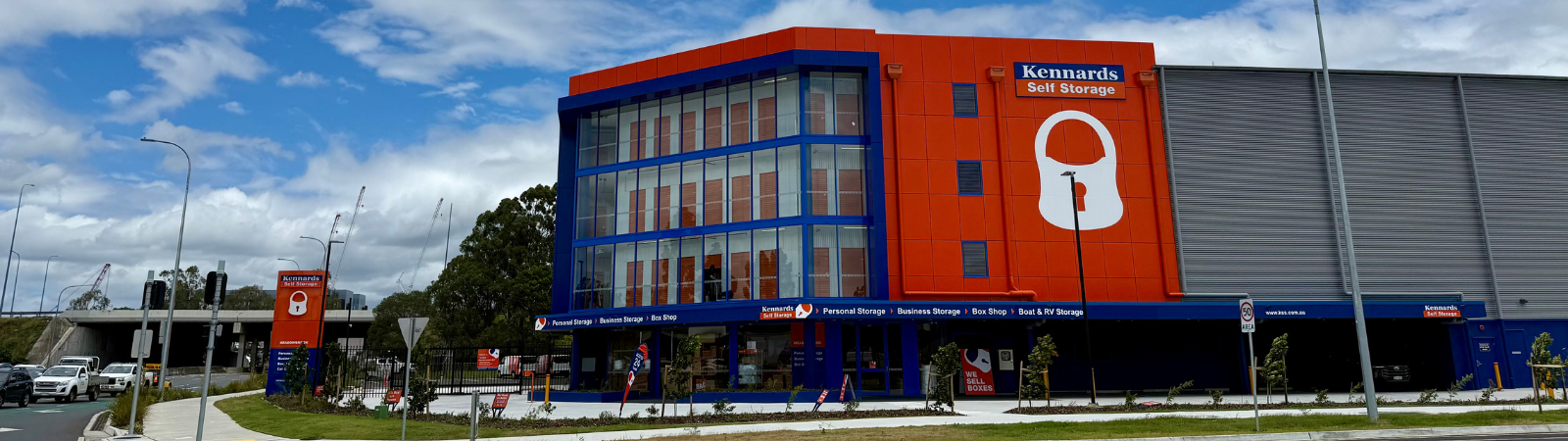
When Signage Is Often Exempt (But Only If You Meet All The Criteria)
Across most states, small‑scale business identification signage in commercial areas may be exempt from requiring planning approval, provided strict criteria are met. Typical examples include:
- Non‑illuminated wall or fascia signage within defined size limits
- Limited window signage
- Replacing an existing lawfully approved sign like for like
For example:
- In VIC, business identification signage up to 8m2 non‑illuminated or 1.5m2 internally illuminated may be exempt in commercial or industrial zones (subject to overlays).
- In NSW, certain wall, awning and window signs can be exempt under the Advertising and Signage Exempt Development Code — but only if height, size, number and location limits are satisfied.
- In QLD, signage is not assessable against many Council’s planning schemes, meaning a DA might not be required, and instead a sign licence under local laws may be required.
- In SA, non-illuminated signage on the front façade of retail / commercial buildings below awning height.
The key issue we see? Projects often meet some of the criteria – but not all.
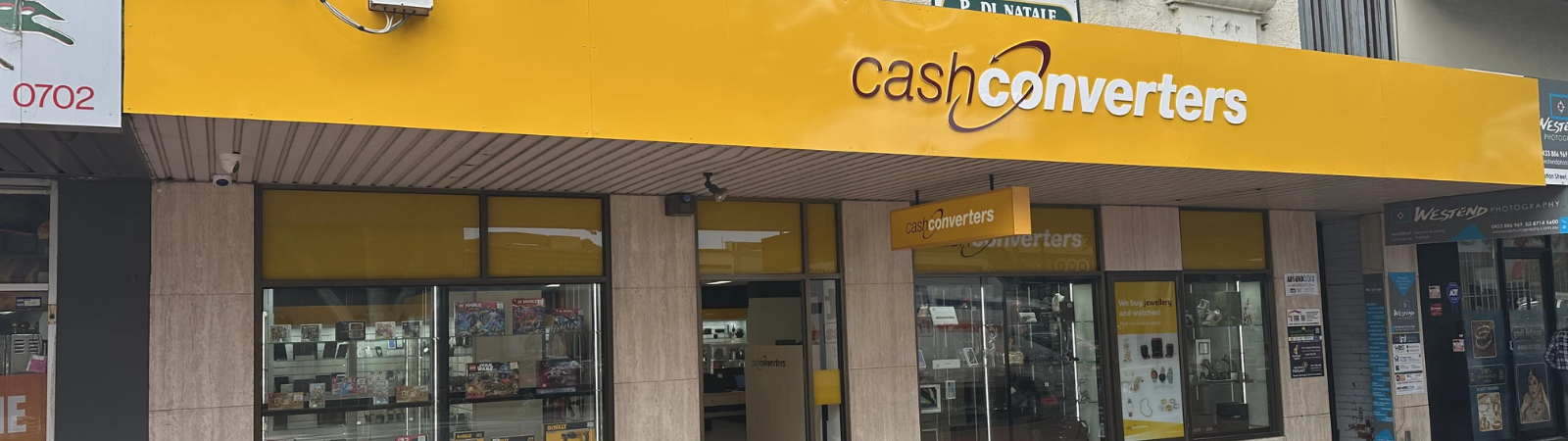
The Most Common Signage Approval Triggers Clients Miss
Heritage Controls
Heritage overrides most exemptions.
In VIC, any signage in a Heritage Overlay requires a planning permit – even refacing existing signs in many cases. In NSW, signage on or affecting heritage items almost always requires Council approval.
Heritage is one of the biggest causes of unexpected delays, particularly for older retail strips and CBD locations.
Illumination (Especially Internally Illuminated Signs)
Illumination is one of the fastest ways to tip a sign out of exemption.
Even small signs can trigger approval where:
- Internal illumination exceeds exemption thresholds
- Floodlighting affects nearby amenity
- Policies restrict illumination hours or brightness
Internally illuminated signs are almost always assessed more strictly than non‑illuminated signage.
Pylon, Pole, Above‑Awning and Digital Signs
These sign types almost always require approval, regardless of zone:
- Pylon or pole signs
- Above‑verandah / above‑awning signs
- Digital or electronic signage
- Promotional or temporary signage
These signs attract higher scrutiny due to visibility, scale and precedent concerns.
Rebrands and “Just New Graphics”
Another misconception:
“It’s the same sign box - we’re just changing the branding.”
This only works if the signage is:
- Lawfully existing
- The same size, illumination, location and format
Changes to logo proportions, illumination, cladding, or sign numbers can invalidate exemptions and trigger the need for planning approval.
NSW Cladding and Facade Signage
This catches out national brands regularly. In NSW, facade cladding is not covered by the Advertising and Signage Exempt Development Code, and generally always requires development consent, in either the form of a CDC or a DA.

Why “It’s Exempt” Is Not Enough
Councils don’t assess signage in isolation. They look at:
- Zoning and overlays
- Number of signs on the site
- Cumulative visual impact
- Character of the area
- Heritage, traffic and amenity impacts
Meeting most exemption criteria is not enough — exemptions require full compliance, and the risk sits with the owner if this is assumed incorrectly.
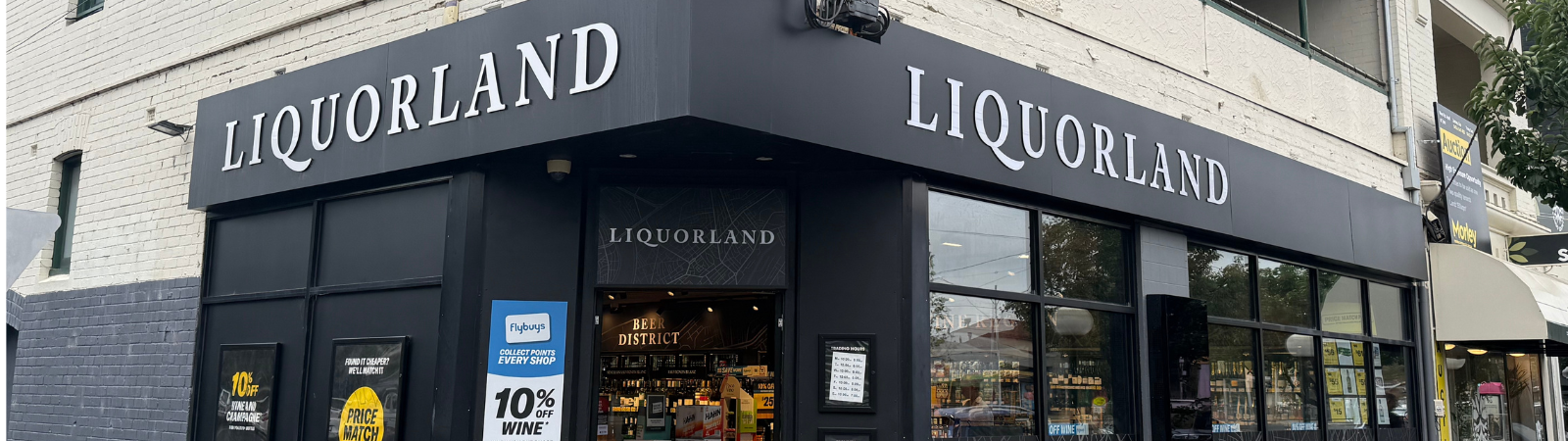
How We Help Avoid Delays
At JCONN Planning, signage approvals are a significant part of our work Australia‑wide.
We assist by:
- Reviewing zoning, overlays and signage policies early
- Confirming whether signage is genuinely exempt
- Preparing planning advice letters where appropriate
- Managing DAs, Planning Permits and CDCs when required
- Coordinating heritage assessments and council negotiations
In many cases, a short advice review upfront prevents months of delay later.
Final Takeaway
If signage is part of your project:
- Don’t assume it’s covered by your fit-out approval
- Don’t assume exemptions apply without confirmation
- Don’t leave signage approvals until the end
Signage is often small in scale – but it has outsized impact on project delays, cashflow and opening dates.
If you’re planning new signage, a rebrand, or a national rollout and want certainty before committing time and money, get in touch.
📧 james@jconnplanning.com.au
🌐 www.jconnplanning.com.au
📞 0424 997 773